
Kierkegaard on Despair
“The most common form of despair is…”

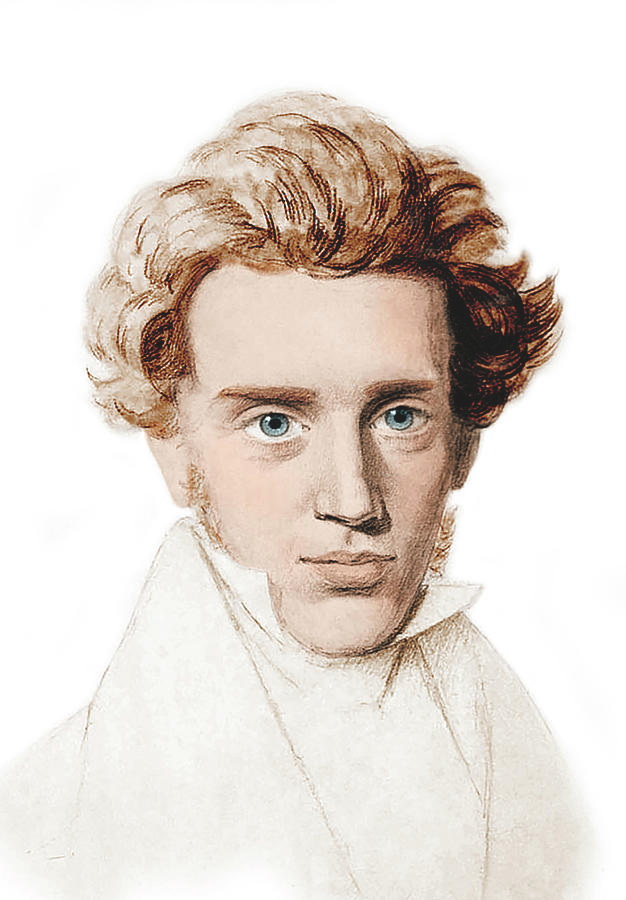
“If I should wish for anything, I should not wish for wealth or power, but for the passionate sense of potential.” -Kierkegaard
Kierkegaard once wrote that giving up on your dreams and losing your sense of potential was one of the most terrible things that could happen to a person, or what he characterized as “the most common form of despair.”
“The greatest hazard of all, losing the self, can occur very quietly in the world, as if it were nothing at all. No other loss can occur so quietly; any other loss – an arm, a leg, five dollars, a wife, etc. – is sure to be noticed.”
Kierkegaard believed that the best way to avoid losing oneself was therefore to embrace new challenges and take on risk. As he put it: “To dare is to lose one's footing momentarily. Not to dare is to lose oneself.”
Kierkegaard identified two types of anxiety: one, the fear of failure. And two, the fear of not having tried at all. He said that it was much worse to live wondering about all that might have been, rather than embracing the unknown and taking chances. This is what he called the “leap of faith.”
The theme of “the leap” was both a Christian and a romantic motive. Consider, for example, the two works of art below. One shows a heartbroken woman jumping off a cliff (Marcus Stone, “the lover’s leap”, 1878), the other two monks in a moment of spiritual ecstasy (Caspar David Friedrich’s “the vision” , 1820). Kierkegaard explored the relationship between the two, arguing that both love and faith required an embrace of the unknown.
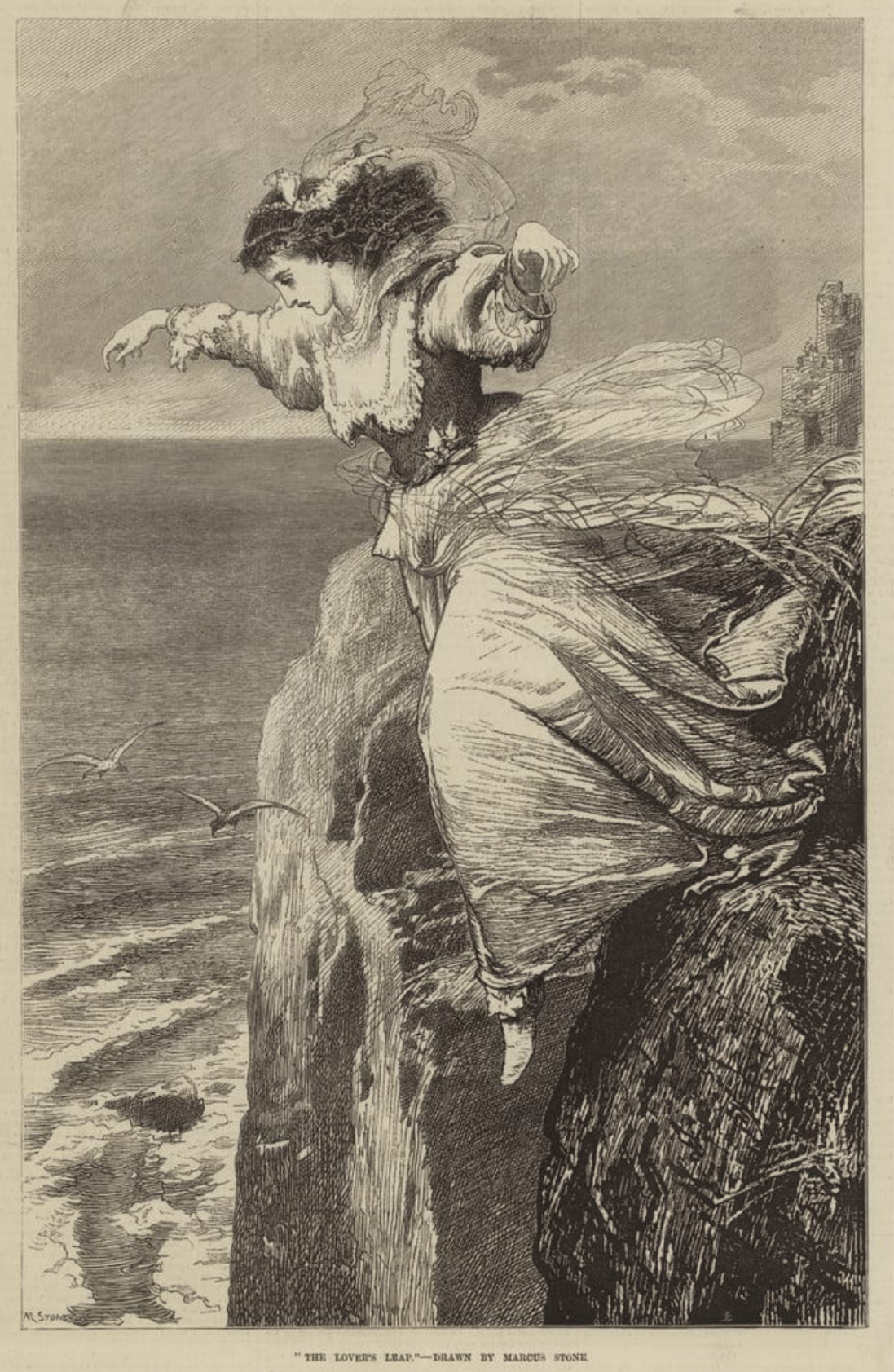
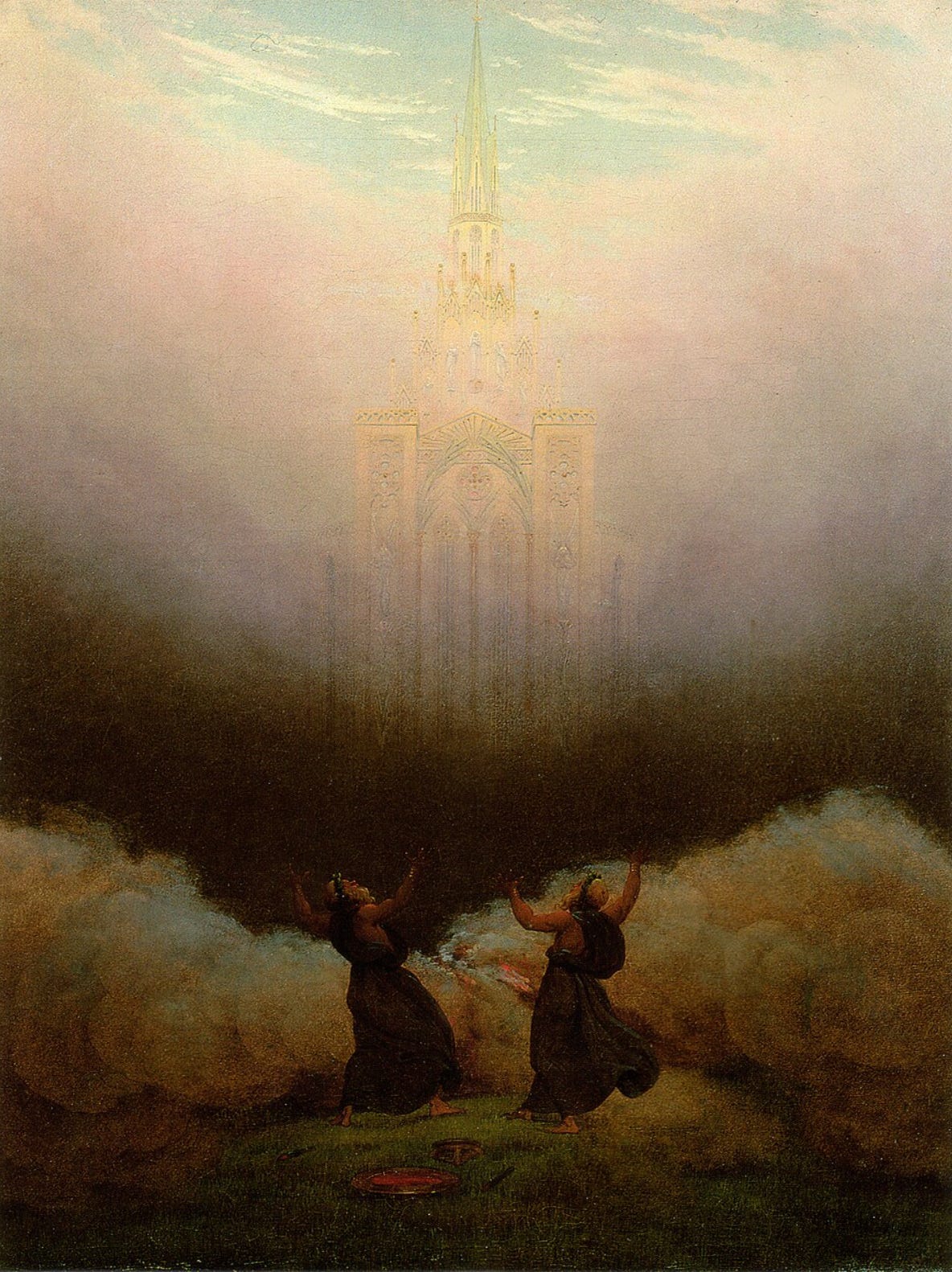
Indeed, one of Kierkegaard’s philosophical accomplishments was to imbue the mystical and spiritual notions of the leap with what might be called an “existential” argument. He introduced two “types”: the knight of faith and the knight of infinite resignation. Whilst the latter chooses to believe in nothing, the former stakes his very being on something bigger than himself.
Kierkegaard believed that this could also be applied to secular life. Instead of succumbing to nihilism and despair, we can choose to embrace the unknown and chase our dreams.
Today it’s so easy to just sit back and do nothing. But this also makes us feel paralyzed and depressed. Kierkegaard believed that the best way to experience a full and rich existence was therefore to do the hard thing and escape the trap of instant gratification. As he put it, “pleasure disappoints, possibility never.”
Julian
Thank you for reading my substack. To support these posts, consider becoming a paying subscriber below. Thank you!
"Face the facts of being what you are, for that is what changes what you are".
I especially like this piece - daring
to do something. I’m seventy eight and still daring to lose my footing. I play pickleball twice a week but I dare to do it despite my age. It’s a wonderful feeling that of daring. I’ve dared all my life!